Show me a poet who writes the Sonnet
“Poetry is emotion put into measure. The emotion must come by nature, but the measure can be acquired by art.” — Thomas Hardy, as quoted in The Later Years of Thomas Hardy by Florence Hardy. Having said this brings us to the final lecture presented this week, the Amazing genre of poetry. The session was very interesting, fun and interactive, we felt as though we were part of the presentation. The lecture began by showing us two poems from a textbook, Bridging English. In this way we were able to see their structure and make comparisons. The first one she read was short, although they were about the same story. We recognized however that the one which was more of a newspaper article was longer.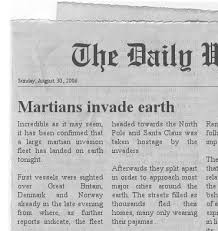 A question was posed after, asking us to relate what had happened in both stories. One of our classmates was unable to respond. This however was a reminder that there would be these types of students in our class.
As we delved further, the lecture asked us to give a definition of what was a poem. Some answers given were close to that of what was presented. However, this was defined as a creative piece like no other. A poet
combines creative , descriptive, persuasive and imaginative forms to produce a piece which is as unique
as a finger print. It was noted further that poet is the person writing the poem, and the genre is poetry. We learned that poetry can also be defined by the elements which are specific to its genre. Some of which are; Figurative devices-poetry utilizes all
the figures of speech/figurative devices such as similes, metaphors,
personification, alliteration and assonance, Radiant imagery-poetry contains images
(the use of words to paint pictures in the reader’s mind). An example given was the phrase, “pregnant
clouds” which is an image from the poem “African Thunderstorm by David Rubadiri.
metaphors,
personification, alliteration and assonance, Radiant imagery-poetry contains images
(the use of words to paint pictures in the reader’s mind). An example given was the phrase, “pregnant
clouds” which is an image from the poem “African Thunderstorm by David Rubadiri.
metaphors,
personification, alliteration and assonance, Radiant imagery-poetry contains images
(the use of words to paint pictures in the reader’s mind). An example given was the phrase, “pregnant
clouds” which is an image from the poem “African Thunderstorm by David Rubadiri.
Moreover, the fact that stood out to us was made mention that - children often come to the classroom with
misconceptions about poetry. Therefore, this is an indication that we should never assume that a child knows. It brings us back to the point that we should always model or show to our students examples before teaching them a concept. Also, they may perceive poems as boring and hard to write. Therefore, what does this mean to us as teachers ?  It means that when teaching poem allow them to choose their topics to write about, Let students know that poems are songs
with the tune, poets create poems to express and share
their feelings,the rules of punctuation and sentence
length are not the same for poems as with prose, expose them to a type/ types
of poetry and let them examine the
characteristics, ensure you teach the figurative devices
if students don’t know them, go
through the poem with students first, discussing the words or terms with which
they are unfamiliar, then
discuss the poem line by line. Encourage children to participate, make connections with what they are
reading and their own lives. Additionally, another strategy that can be utilized was that of using what was called, 'My Poet Tree,'
It means that when teaching poem allow them to choose their topics to write about, Let students know that poems are songs
with the tune, poets create poems to express and share
their feelings,the rules of punctuation and sentence
length are not the same for poems as with prose, expose them to a type/ types
of poetry and let them examine the
characteristics, ensure you teach the figurative devices
if students don’t know them, go
through the poem with students first, discussing the words or terms with which
they are unfamiliar, then
discuss the poem line by line. Encourage children to participate, make connections with what they are
reading and their own lives. Additionally, another strategy that can be utilized was that of using what was called, 'My Poet Tree,'  this aids students understanding of the concept much easier. It shows the characteristics of what a poem should entail. Lastly, allow them to work collaboratively for
their first attempts, allow students to brainstorm, produce
drafts, revise and edit their pieces, use technology, the internet is filled with resources for you as the teacher
and examples of poems for the students. Therefore let them publish their pieces in
author’s/poet’s chair, display them in the classroom, create a book of poems,
post them online, have a poetry reading etc.
this aids students understanding of the concept much easier. It shows the characteristics of what a poem should entail. Lastly, allow them to work collaboratively for
their first attempts, allow students to brainstorm, produce
drafts, revise and edit their pieces, use technology, the internet is filled with resources for you as the teacher
and examples of poems for the students. Therefore let them publish their pieces in
author’s/poet’s chair, display them in the classroom, create a book of poems,
post them online, have a poetry reading etc.
It means that when teaching poem allow them to choose their topics to write about, Let students know that poems are songs
with the tune, poets create poems to express and share
their feelings,the rules of punctuation and sentence
length are not the same for poems as with prose, expose them to a type/ types
of poetry and let them examine the
characteristics, ensure you teach the figurative devices
if students don’t know them, go
through the poem with students first, discussing the words or terms with which
they are unfamiliar, then
discuss the poem line by line. Encourage children to participate, make connections with what they are
reading and their own lives. Additionally, another strategy that can be utilized was that of using what was called, 'My Poet Tree,'
It was further established that there are different types of poem, just to name a few, there is the cinquain, five sentence poem in which the final word of each alternating line rhymes, sonnet, a fourteen line poem in which every other line rhymes (abab pattern) and the final two lines (a couplet : aa) rhyme. Following this we were then asked to write on different types of poems. We were instructed to write the five liners and the bio poem. This was fun as we took turns listening to what each other had to say. We realized by our expressions that we were different. This also is an indicator of the diverse students that we are going to encounter in the classrooms.
In concluding, we think that the lecture presented was very enlightening, modeling to us what a good poetry should look and sound like can now aid us in writing our poetic piece for this journal. In some instances where students may forget, these models maybe useful for referencing purposes.

I personally think that this entry is effective, where it outlines everything that took place in the class. The images used are helpful in teaching poems and the example given would enable one to make connections as to what a poem really entails.
ReplyDelete